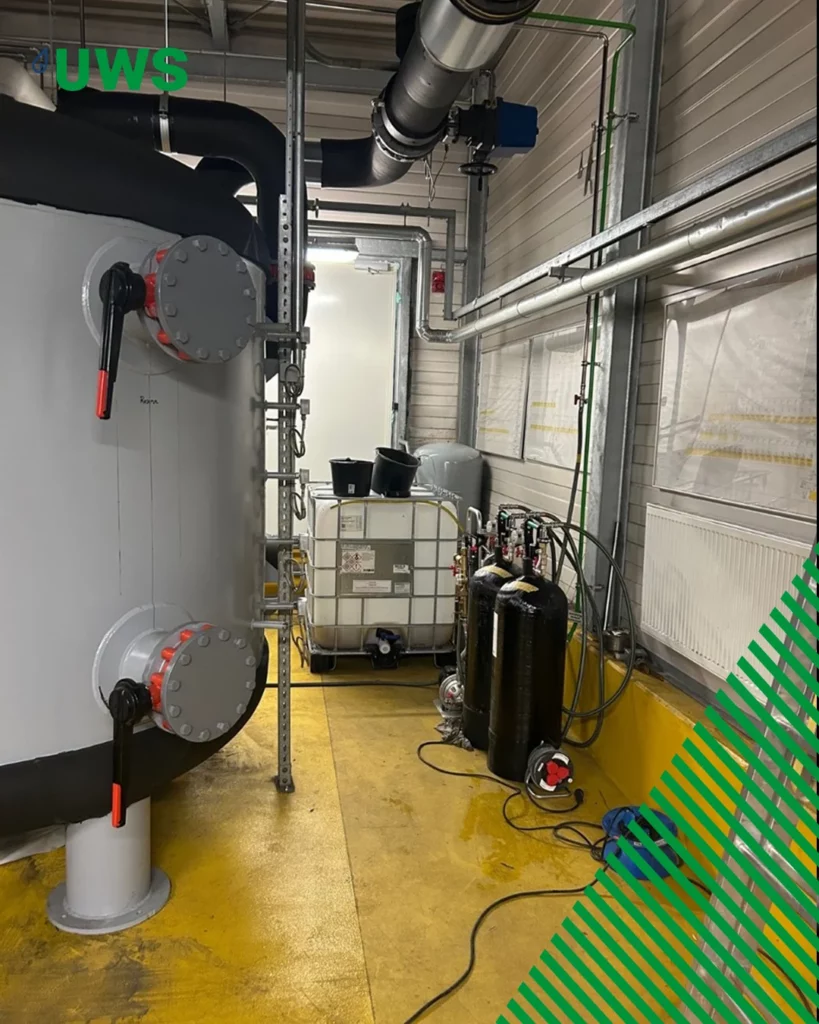


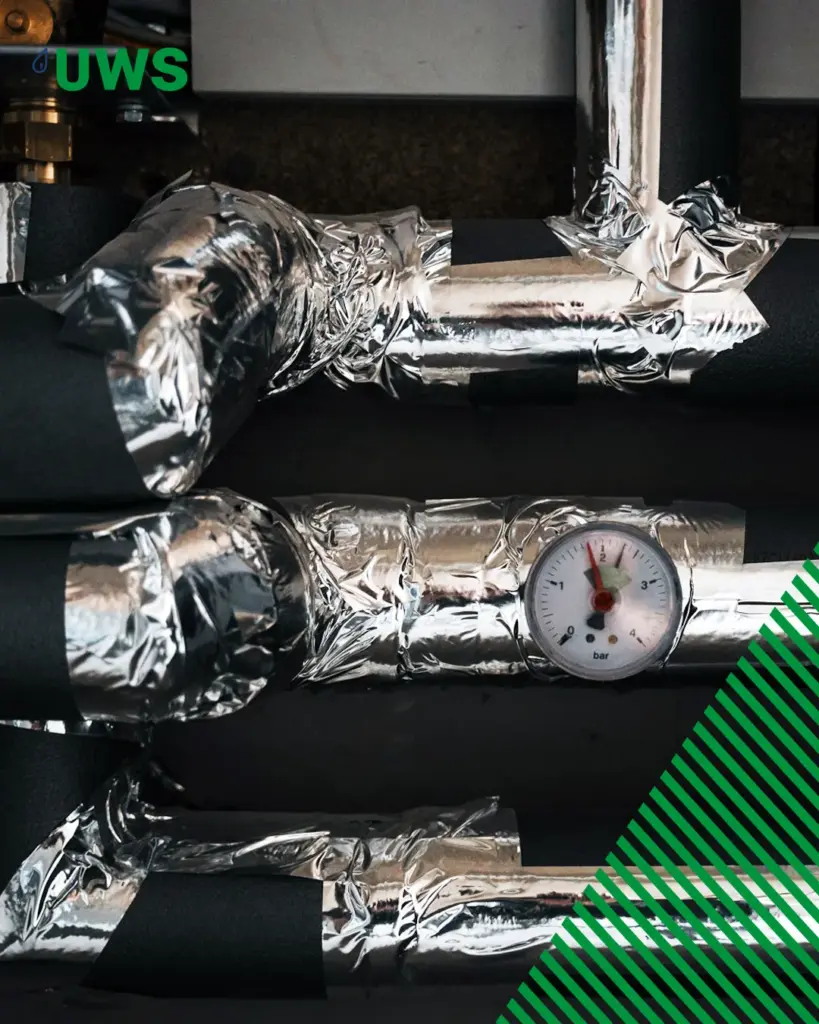
A heating system that becomes “clogged with sludge” is not a rare occurrence—in fact, it’s more the rule than the exception. Often, the problem isn’t noticed until the first symptoms appear: radiators no longer get properly warm, valves respond sluggishly, or pumps run noticeably harder. By this point, however, the process is usually already well […]
Vadion Inside - The UWS Blog
When a heating system no longer gets properly warm, the cause is rarely a single component. In practice, it is more often a combination of hydraulic, mechanical, and—particularly often underestimated—water chemistry factors. The latter, in particular, develop gradually. The system is running, and heat is somehow reaching the rooms—but no longer at the desired quality. […]
In many heating projects, there is intense discussion about technology, efficiency, and eligibility for subsidies. However, one seemingly unspectacular aspect is often underestimated: the documentation of the heating water analysis. If it is missing, a technically sound job can quickly turn into a legal risk. Because without verifiable evidence, it is nearly impossible to prove […]
Corrosion is one of the most common—and at the same time most expensive—causes of damage in heating systems. It develops quietly, insidiously, and often goes unnoticed for a long time. By the time the first signs become visible, the damage is usually already well advanced. Yet corrosion is not an inevitable fate. It is the […]
Filling the heating system with water is not a minor step – it is the starting point for the entire system life cycle. Nevertheless, it is often carried out under time pressure, simplified, or done “as usual.”. The problem with this is that errors in filling do not have a short-term effect – they have […]