



Everything you need to know about VDI 6044
In cold and cooling water circuits in particular, mixed systems, contamination and the use of different materials often lead to corrosion, deposits and operational faults, which is why the VDI published the VDI 6044 guideline in April 2023. It defines requirements for the design, operation and water quality in closed cold and cooling water systems and supplements VDI 2035 with, amongst other things, limit values for chloride, sulphate, nitrate and other water chemistry parameters.
Why is VDI Guideline 6044 important?
Especially in cooling water systems, there are new requirements due to complex system components and a variety of different materials. Mixed installations and contamination lead to operational disruptions, efficiency losses and repair work on cold and cooling water circuits, which in turn can lead to corrosion and deposits. This is often due to inadequate preparation and treatment of the filling, supplementary and circulating water as well as insufficient pressure maintenance and degassing. Therefore, VDI 6044 was published in April 2023 to proactively prevent damage in cold water and cooling circuits.
The guideline is based on BTGA rule 3.003 and applies to closed cold and cooling water circuits with a maximum circulating water temperature of < 40 °C and a total volume > 1,000 l (without buffer storage). Compared to the VDI guideline 2035, new values have been added to the VDI guideline 6044, such as for chloride, sulfate, and nitrate, as well as TOC, iron, zinc, copper, aluminum, and ammonium. The general total hardness requirement of < 8.4 °dH is broader than in the VDI guideline 2035 due to the lower operating temperature prevailing in larger systems. These specifications must be taken into account in planning, construction, and operation in order to prevent malfunctions or damage to the system.
VDI 6044 – the guideline for water quality in cooling systems
VDI 6044 is entitled “Prevention of damage in cold water and cooling circuits” and is the authoritative guideline when it comes to the planning, operation, and maintenance of cooling circuits, for example in data centers.
VDI 6044 therefore sets clear requirements for the cooling water and specifies how to avoid corrosion, deposits, and biological contamination.
Treatment of fill and circulating water – VDI 6044 limit values
Before commissioning, the make-up water must be analyzed in advance for water chemistry and the results documented. Further protection is provided by checking the resulting circulating water after filling and before acceptance of the system.
VDI 6044 lists all required guideline values in a table (see table). This includes, for example, information on the pH value, maximum total hardness and conductivity. A low-salt driving style is recommended from a corrosion point of view. In principle, VDI 6044 also recommends compliance with the relevant parameters of VDI 2035, especially in combined heating and cooling systems. Therefore, treatment devices that meet both standards are preferable.
| Filling and Make-up Water | |||||
| Parameter | Unit | VDI 6044 | Comment from VDI 6044 | ||
|---|---|---|---|---|---|
| Corrosion-technically closed system | Corrosion-technically open system High-salinity operating mode |
Corrosion-technically open system Low-salt to slightly saline operating mode |
|||
| Appearance | – | clear, free from sedimenting substances | Turbidity, discoloration and sediment indicate changes in water quality that require further analysis. | ||
| pH value without aluminium alloys | – | 8.2 – 10.0 | Limits the pH range in which protective oxide layers or passive layers of metallic materials and plastics remain stable. | ||
| pH value with aluminium alloys | – | 8.2 – 9.0 | The pH value must remain stable. | ||
| Conductivity | µS/cm | < 1500 | < 800 | < 250 | Limits scale formation in circulating water; exceeding these values increases the likelihood of scale-related damage. |
| Total hardness | °dH | < 8.5 | Limits scale formation; exceeding this value increases the likelihood of damage. | ||
| Chlorides | g/m³ | < 60 | < 15 | Increase the likelihood of corrosion damage caused by pitting corrosion, dezincification or stress corrosion cracking (not relevant for copper). | |
| Sum of sulphate and nitrate | g/m³ | < 100 | < 60 | Relevant for microbiologically influenced corrosion (MIC). | |
| Iron (total) | g/m³ | < 0.5 | Exceeding this value indicates increased corrosion activity on ferrous materials and requires investigation of the cause. | ||
| Ammonium | g/m³ | < 0.5 | Indicates microbiological activity. | ||
| Copper, zinc, aluminium | g/m³ | < 0.2 | Exceeding this value indicates increased corrosion activity on copper or aluminium materials and requires investigation of the cause. | ||
| TOC of untreated water | g/m³ | < 25 | Nutrient source for microbiological growth. | ||
VDI 6044 deals with, among other things:
Why water treatment is worthwhile:
Safety through water treatment with UWS technology
Control and documentation
The circulating water quality must be checked no later than 48 hours after filling. At a minimum, electrical conductivity and total hardness must be measured. Three months after commissioning, a complete analysis of the circulating water must be carried out and documented.Efficient services and solutions for proper water treatment in cooling systems
Circulating water treatment using the bypass process
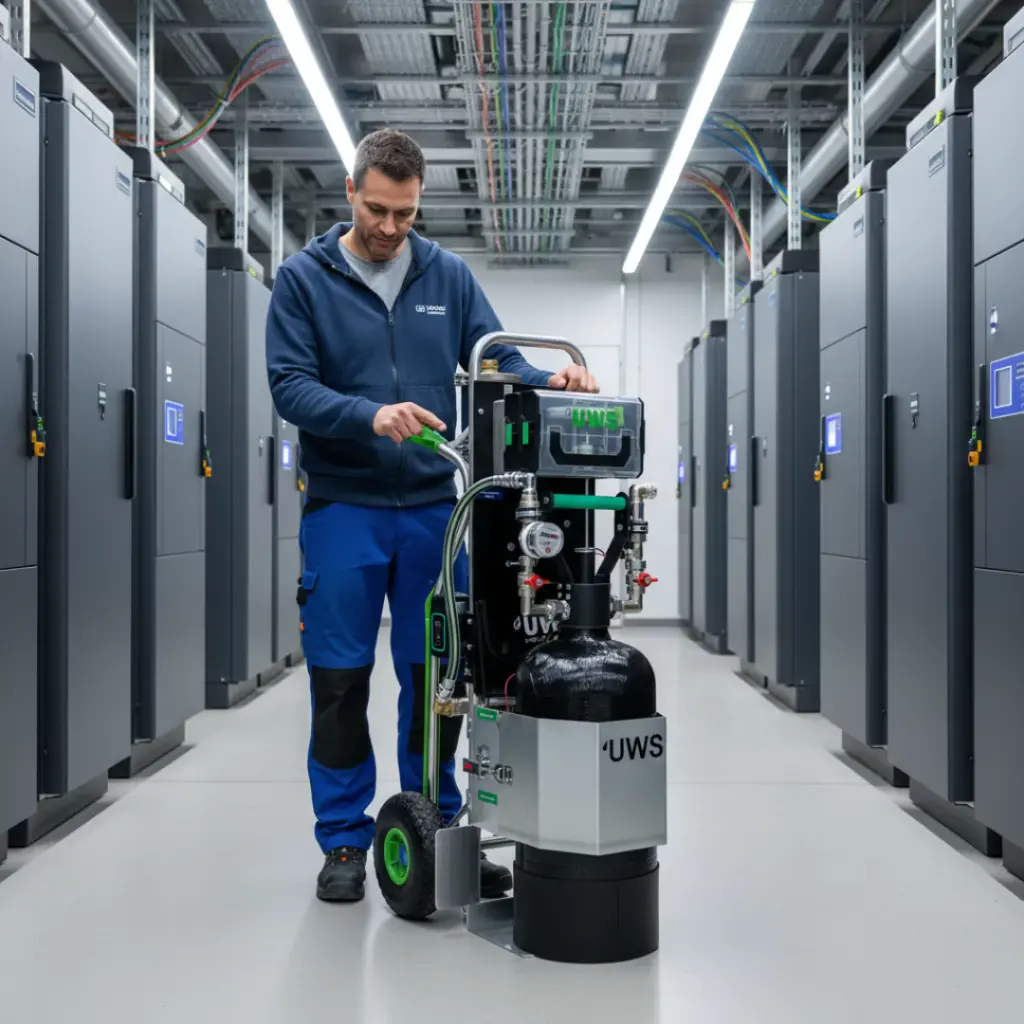
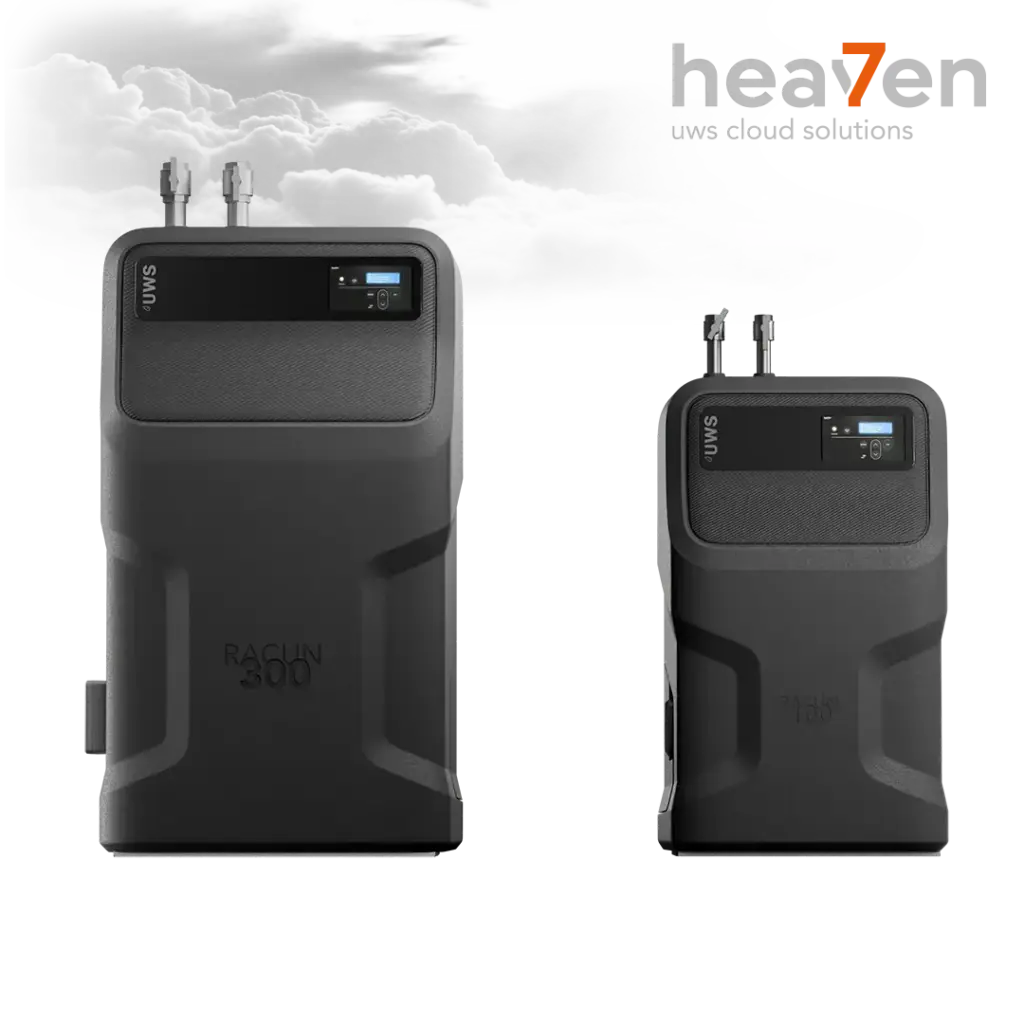
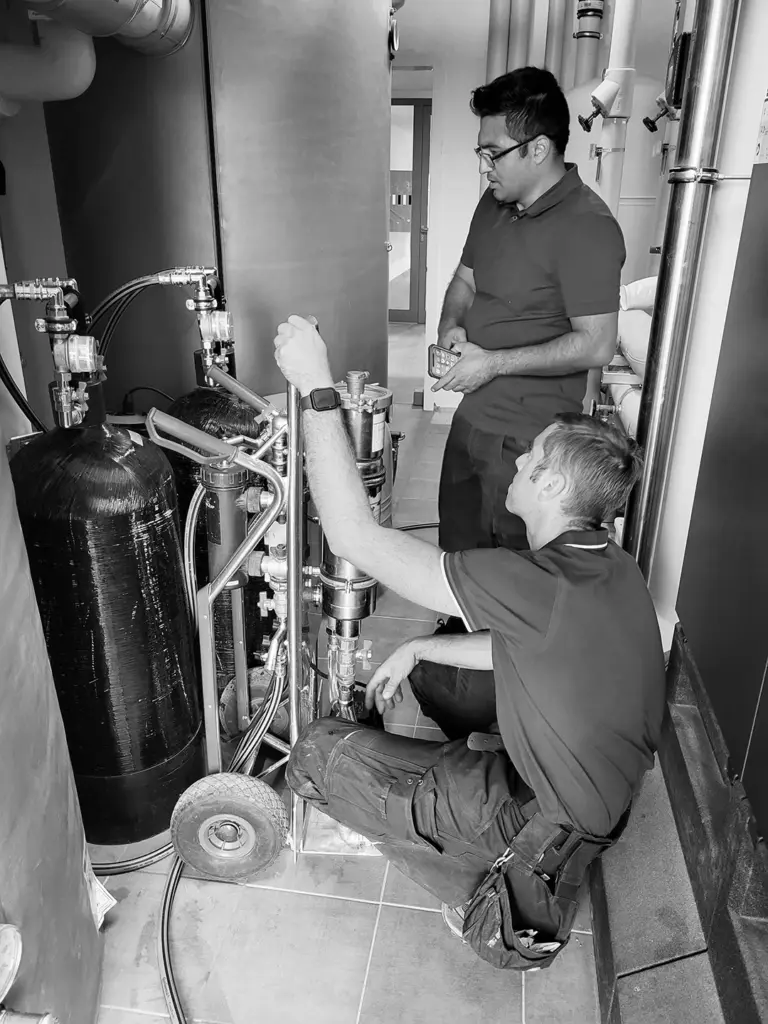
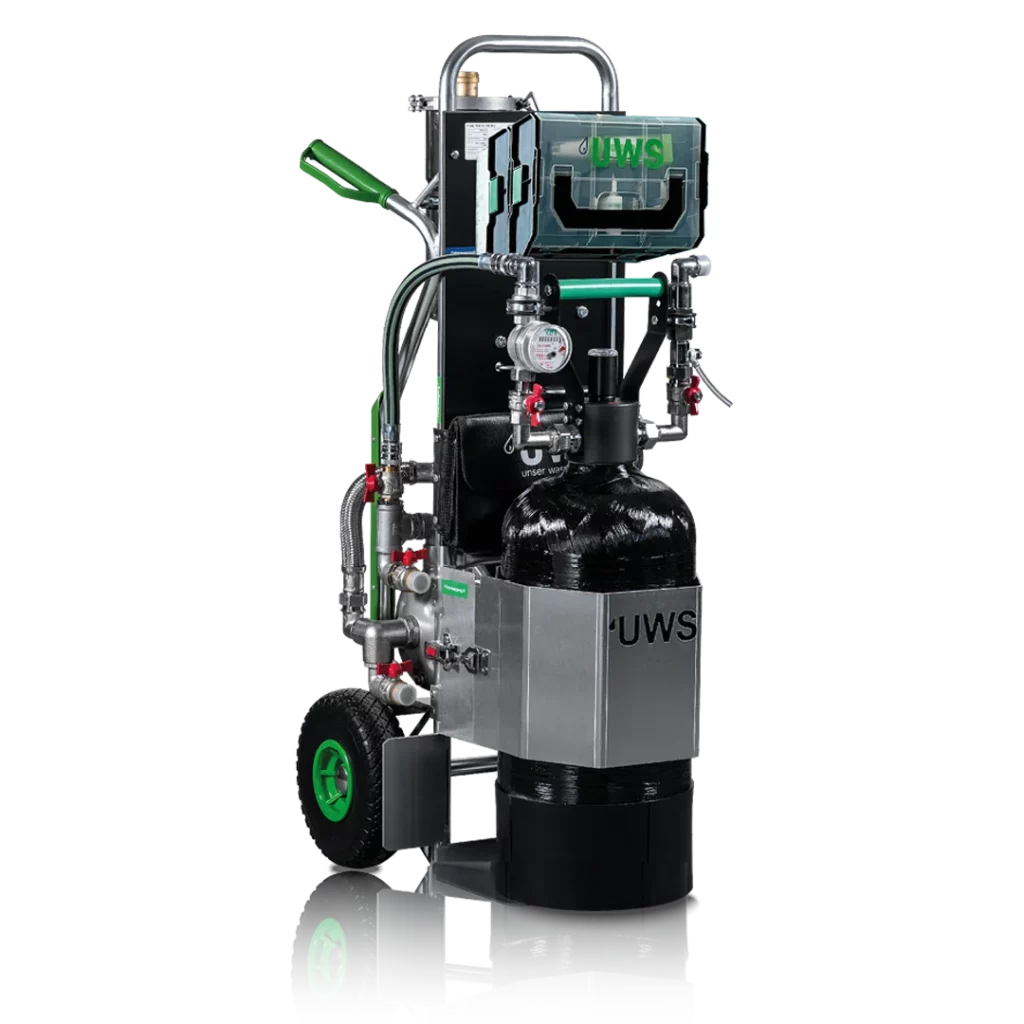
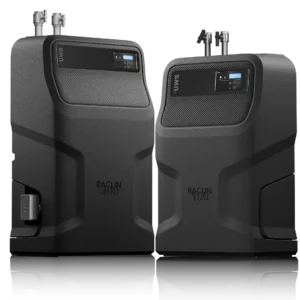
In order to ensure the water quality in closed systems according to VDI 6044, the circulating water must be continuously treated using the bypass process (side stream line). This enables the operator to reliably comply with the relevant specifications and prevent the system’s performance degradation due to corrosion. The treatment devices are suitable for both mobile and stationary use and can also be booked or rented as a service. Without interrupting operations, the cooling water can be treated to meet the requirements of VDI 6044. UWS devices from the Heaty Racun series for treatment and filling operate largely automatically and do not need to be supervised throughout the entire process. Of course, we also offer treatment devices for smaller systems, such as the Heaty Ferriline No. 2 and Heaty Profiline No. 2, make-up water devices from the Complete series, dual filters from the MAGella Twister series, and the MAGella Side Stream Filter.
VDI 6044 training
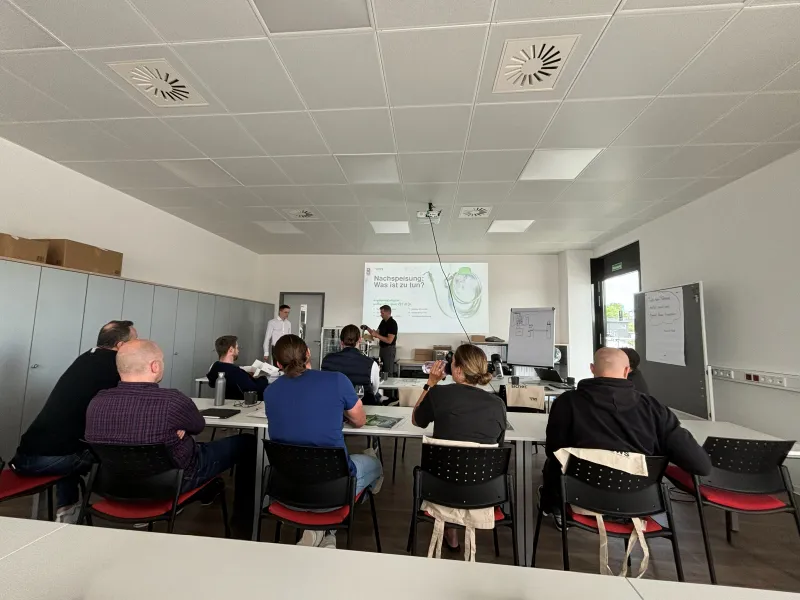
Our team will come to your premises and provide training on the most important aspects of VDI 6044.
We will also address questions relating to cooling and heating water treatment. We explain the technical possibilities and opportunities offered by water treatment.
Of course, we will bring samples of our Heaty Complete Home / Advanced / PROfessional make-up water systems, MAGella magnetite filters, and treatment devices such as Ferriline and Profiline.
Incidentally, our team is also an expert on Ö-NORM H 5195-5 (Austria) or SWKI BT 102-1 (Switzerland).
Fully demineralized water with mixed bed resin Vadion pH-Control
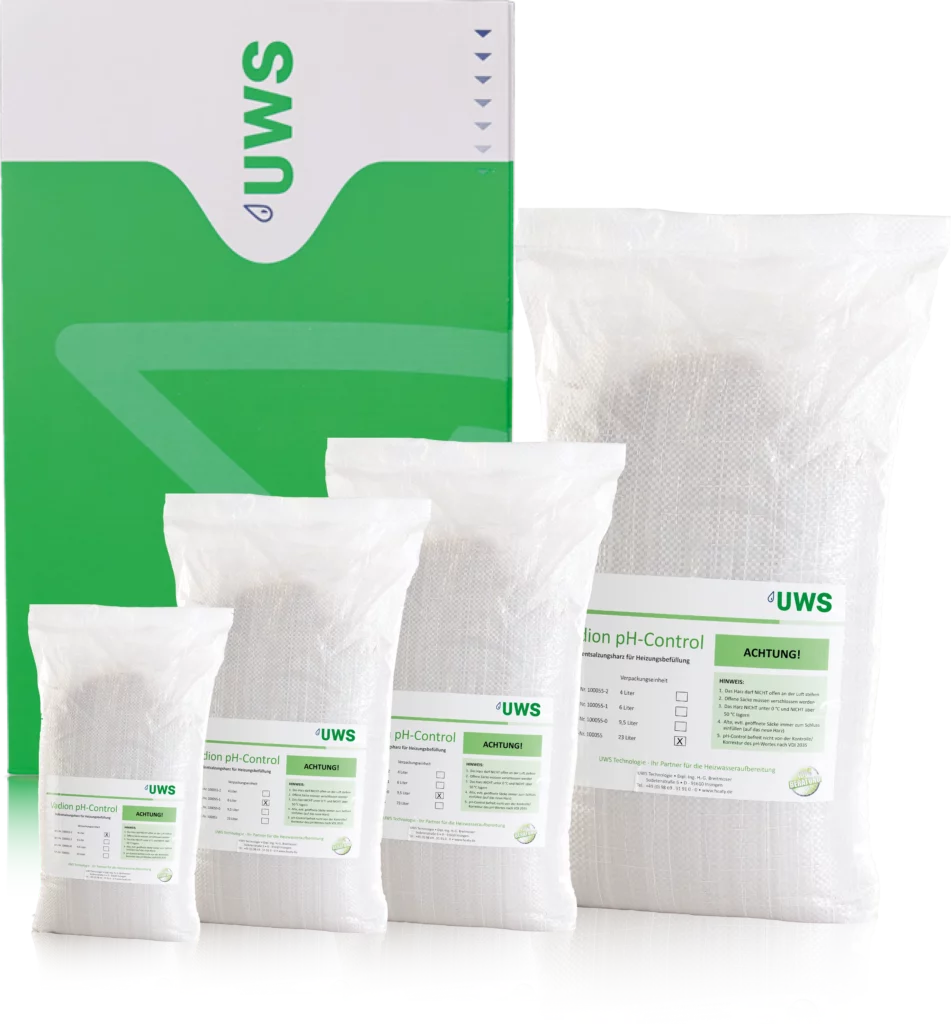
In order to comply with the recommended values according to VDI 6044, ÖNORM H 5195-1, and SWKI BT 102-01, we have developed our mixed bed resin Vadion pH-Control. It not only desalinates the water to below 100 µS/cm, but also ensures that the pH value of the fill water remains within the specified range. In addition, the bypass process enables reliable removal of residual hardness and dissolved salts in the cooling water during ongoing operation.
Clean cooling water starts with the right filtration
Before fine-tuning the cooling system, the water itself must be right. The first step on the way to permanently stable system values is therefore filtration. Dirt, rust particles, and other solids are reliably removed from the water—an important prerequisite for preventing deposits and corrosion damage in the long term.
Your advantages:
➜ Significantly lower risk of sludge formation and valve sticking
➜ Protection of sensitive components against particle damage and corrosion
Our MAGella dual filters twister5 & twister10 offer you a tried-and-tested solution: they remove both magnetic and non-magnetic particles – efficiently, with low maintenance, and perfect for use in modern heating systems.
Desalination – stable values for clean cooling water
Desalination of the water plays a crucial role in ensuring that cooling circuits remain efficient and corrosion-free in the long term. The targeted removal of dissolved salts reduces electrical conductivity – and thus significantly reduces the risk of electrochemical corrosion. This method is the key to long-term stable system operation, especially in systems without aluminum components.
Your advantages:
➜ Significantly lower corrosion tendency thanks to low conductivity
➜ Reliable compliance with manufacturer specifications for cooling water quality
With the Heaty Profiline No. 2 , UWS offers a professional complete device for bypass desalination that has proven itself in practice for years. This gives you an efficient and reliable solution for keeping your cooling water in the green zone at all times.
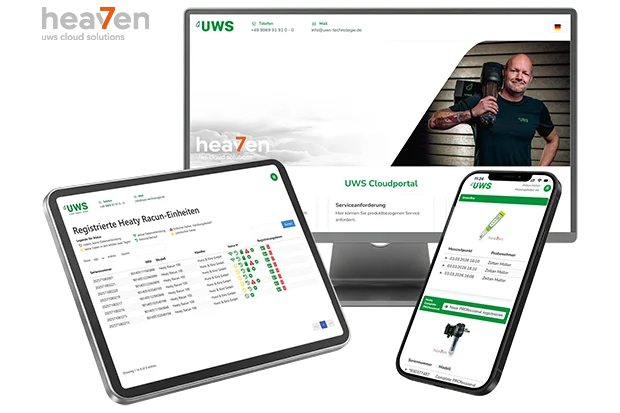
Heaven7 - UWS Cloud Portal
A new approach to digital system monitoring.
The UWS Cloud Portal brings together system information, measurement logs and system messages on a single central platform for the first time.
All data from the WaterBoy App is automatically documented in accordance with standards and can be accessed at any time. At the same time, intelligent Heaven7 devices such as the Racun series or replenishment solutions such as the Heaty Complete PROfessional deliver important information directly to the cloud – for example, in the event of leaks or when Vadion pH-Control mixed-bed resin has been used up.
This creates digital documentation of system statuses and operating data – clear, structured and available at any time.
measure – treat – replenish – document
One platform. All information. Maximum transparency.