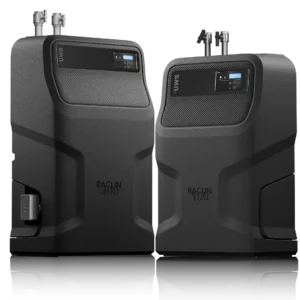







Professional magnetite separators and dual filters
Reliably protect pumps, heat generators, heat exchangers and other system components from damage caused by magnetite, metallic particles and other contaminants. Our magnetite separators, magnetic flow filters and fine filters ensure clean circulating water in heating and cooling systems, reduce wear and tear, and support long-term efficient and safe system operation. At the same time, they extend the service life of the entire system and help to prevent breakdowns and unnecessary service calls.
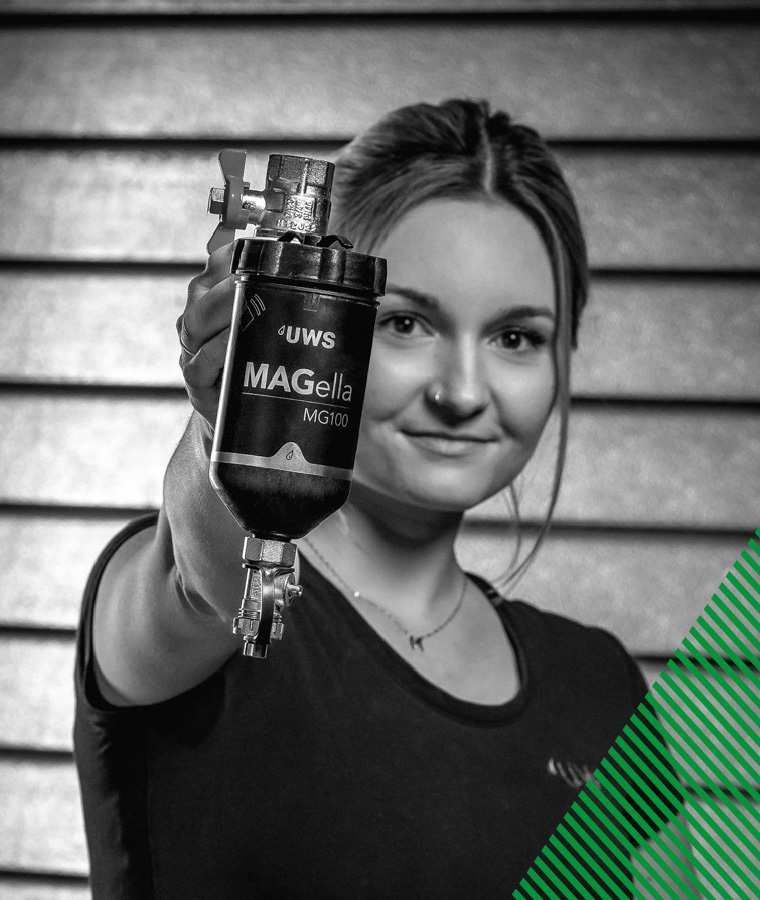
Magnetite and fine filters
Magnetite (iron oxide), haematite and other contaminants are among the most common causes of breakdowns and efficiency losses in heating and cooling systems. Corrosion of metal components produces rust particles and fine sludge, which are carried along by the circulating water and deposited in heat exchangers, pumps, valves or pipework. The result is sludge-clogged systems, restricted heat or cold transfer, increased wear and tear, and unnecessarily high loads on the entire system. Even small amounts of magnetite and dirt particles can significantly reduce efficiency and lead to avoidable energy wastage.
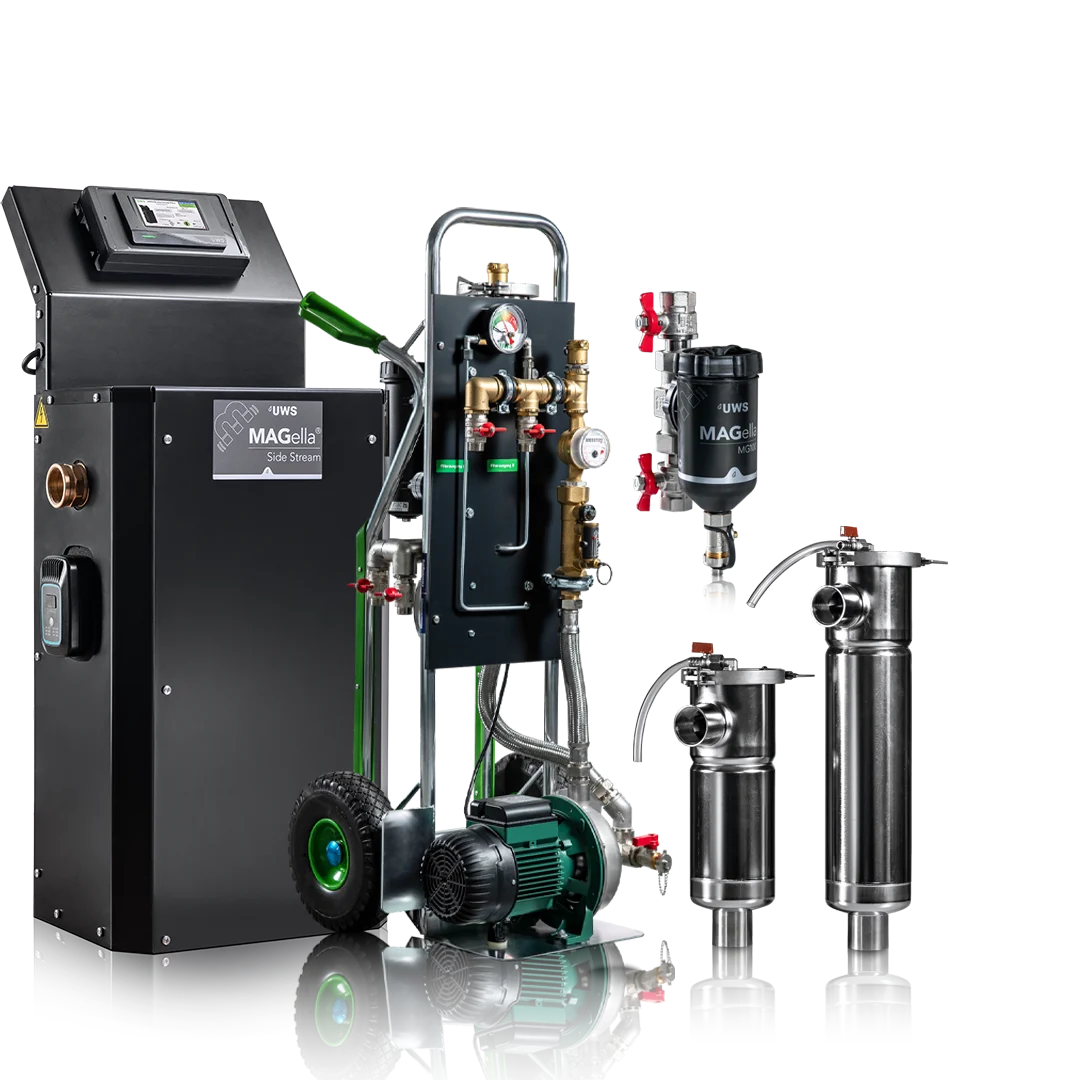
The magnetite separators, dual filters, side-stream filters and fully automatic filter units of the MAGella series, as well as the Heaty Filtra Advanced filtration unit, reliably protect heating and cooling systems against all types of contamination. They remove magnetite, metallic particles and sludge particularly efficiently and sustainably improve the water quality within the system. The MAGella twister combines magnetite separation with additional fine filtration down to 1 µm, ensuring particularly clean circulating water.
Targeted filtration significantly reduces corrosion, deposits and sludge build-up, increases operational reliability and minimises maintenance and repair costs. At the same time – depending on the initial condition of the system – the system’s efficiency can be improved by up to 10%.
Our magnetite separators, dual filters and fully automatic filter units for all system sizes
Our MAGella series
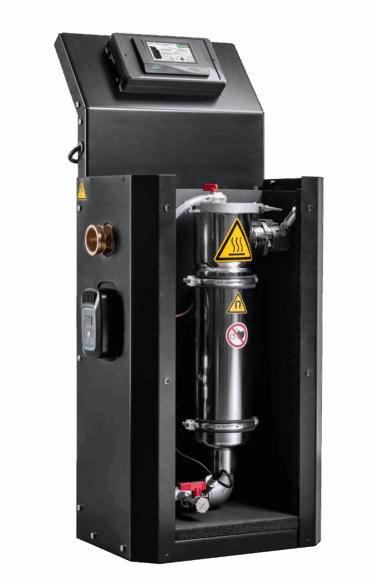
Magnetite and fine filters have a significant impact on operational efficiency, energy savings and the reduction of downtime in cooling and heating systems. Our new MAGella series of magnetite and dual filters has been specially developed to meet the needs of HVAC companies and ensure optimum performance and reliability. With the MAGella Side Stream Filter, we offer you an innovative, fully automatic filter unit for cleaning/filtering cooling and heating systems, designed for installation in a bypass configuration.
Discover how our products can help you ensure the smooth operation of your cooling or heating system, reduce maintenance requirements and extend the service life of your systems. Also ideal for heating system modernisation.
Why should you filter heating and cooling water?
Filtering heating and cooling water is a vital part of system maintenance and plays a key role in ensuring the efficiency, operational reliability and service life of the entire system. During operation, corrosion, deposits and external influences give rise to contaminants such as rust, magnetite, sludge or other dirt particles, which circulate in the system water. These can lead to damage, loss of performance and increased energy consumption in both heating and cooling systems.
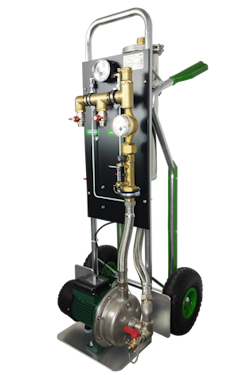
Filtration saves money!
Clean water and clean pipes improve the efficiency of the cooling or heating system and can thus lead to energy savings of up to 30%. If the cooling or heating water is clean, this ensures trouble-free operation and protects the system from corrosion caused by contaminants such as sand and rust particles. Filtration also prevents heat exchangers, radiators and pipes from becoming blocked and avoids system malfunctions, such as those caused by circulation pumps becoming blocked.
Heaven7 - UWS Cloud Portal
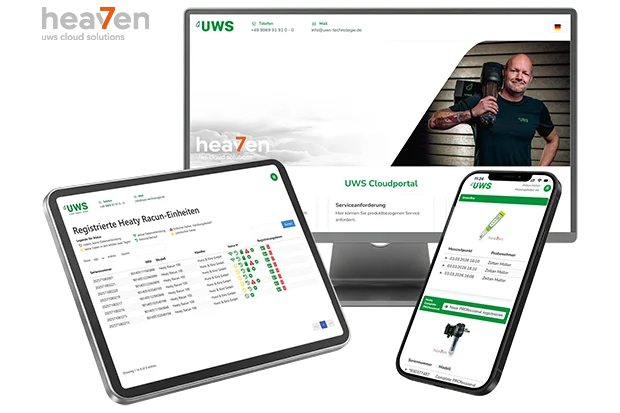
A new approach to digital system monitoring.
The UWS Cloud Portal brings together system information, measurement logs and system messages on a single central platform for the first time.
All data from the WaterBoy App is automatically documented in accordance with standards and can be accessed at any time. At the same time, intelligent Heaven7 devices such as the Racun series or replenishment solutions such as the Heaty Complete PROfessional deliver important information directly to the cloud – for example, in the event of leaks or when Vadion pH-Control mixed-bed resin has been used up.
This creates digital documentation of system statuses and operating data – clear, structured and available at any time.
measure – treat – replenish – document
One platform. All information. Maximum transparency.
FAQ – Magnetic separators and filtration
A magnetite separator is a device that is used in heating systems to remove magnetic particles such as rust and magnetite from the heating water.
A magnetite separator is required if corrosion protection and heating efficiency are to be improved, especially in systems with steel components.
A magnetite separator is not required by law, but is strongly recommended.
Clean system water also saves you money.
The magnetite separator is installed in the return flow in the heating circuit, usually near the boiler.
The magnetite separator should be cleaned regularly, often about once a year, depending on the manufacturer’s instructions and the degree of soiling.
As a rule, heating water does not need to be changed regularly as long as the system has been filled correctly and no faults occur. However, it may be necessary to change the water if:
- the pH value is no longer within the target range,
- sludge or deposits have formed,
- corrosion is detected or
- conversions or repairs are pending.
Rule of thumb: Check every 5-10 years whether a change is necessary – especially with older systems or after major work.
Yes, a heating filter is very useful in many cases, especially for:
- existing systems with many old pipes,
- Suspicion of sludge or rust particles,
- regular hissing or gurgling in the radiators,
- frequent faults in the circulation pump or control technology.
A filter protects the system from deposits and wear, extends its service life and can increase efficiency.
A fine dust filter directly on the radiator is not common and usually not necessary. Radiators do not generate fine dust – however, dust may be dispersed more quickly in the room air due to air circulation.
If you are looking for an allergy-friendly solution, an air purifier or a radiator filter that collects coarse dust is more suitable. These filter the dust that rises when the warm air circulates – this can improve the air quality in the room.
The optimum conductance depends on the heating system and the material used. General guide values (based on VDI 2035):
- For systems with low-salt operation, the value should be < 100 µS/cm
- Upper limit: max. 1000 µS/cm (permitted in special cases, e.g. for demineralization and corrosion inhibitors).
Too high a conductivity value can promote corrosion and deposits – the water should therefore be checked regularly.
It makes sense to filter the heating water:
- after a water change to rule out any residues,
- in the event of recognizable problems such as cloudy water, noises or reduced heating capacity,
- if the system does not have a sludge separator or magnetite filter.
Modern heating systems benefit permanently from a permanently installed filter or separator system that works continuously.