


How to prevent corrosion and scale formation in heating systems in the long term
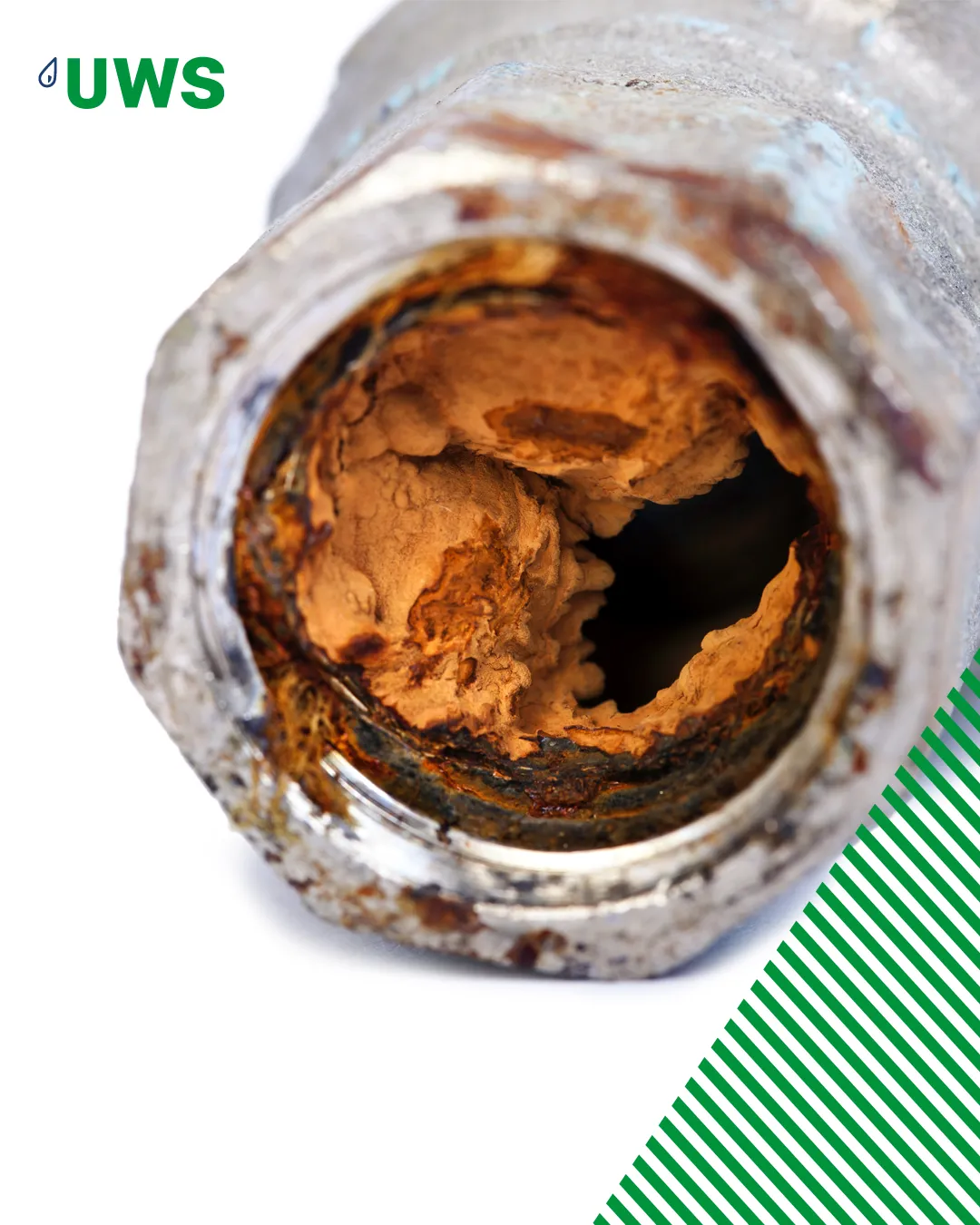
Corrosion and scale formation are among the most common causes of damage in heating systems.
And yet they are often only taken seriously when:
- Heat exchangers are clogged
- Pumps fail
- Valves become blocked
- efficiency noticeably decreases
Both problems can be specifically and permanently avoided —if you understand their causes and take consistent countermeasures.
Corrosion and scale formation: two problems, one cause
At first glance, corrosion and scale formation appear to be different phenomena.
In practice, however, they have a common origin:
unsuitable heating water quality.
While corrosion primarily attacks metal components, scaling impairs heat transfer.
Both occur insidiously – and often simultaneously.
Corrosion: the silent destroyer in the system
Corrosion occurs when water chemically reacts with metals.
This is facilitated by, among other things:
- High conductivity
- Unfavorable pH values
- Oxygen ingress
- Mix of materials in the system
The consequences are manifold:
- Material removal
- Pitting
- Magnetite formation
- Silting up of the heating circuit
Particularly critical:
Corrosion occurs continuously – usually unnoticed until the first signs of damage become visible.
Scale formation: Loss of efficiency due to deposits
Scale formation is caused by dissolved hardness components, primarily calcium and magnesium compounds.
When heated, they precipitate and tend to deposit where heat is transferred.
Typical consequences:
- Reduced heat transfer
- higher energy consumption
- Uneven heating
- Increased operating costs
Even thin deposits act as an insulating layer – with measurable efficiency losses.
Why tap water is problematic in heating systems
Tap water is optimized for human consumption – not for technical systems.
It contains:
- Minerals
- Salts
These substances remain in the heating system and form the basis for:
- Corrosion processes
- Scale formation
- increasing conductivity
Therefore, the following applies:
Good drinking water without treatment is not good heating water.
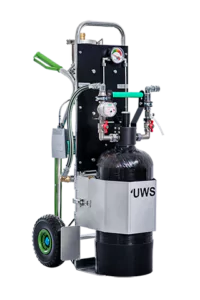
Heaty Ferriline No. 2
Complete unit for professional bypass treatment, sludge and magnetite filtration in the hot water area incl. MAGella twisterTo the product
Keeping conductivity and pH value under control
Two parameters play a key role in preventing corrosion and scale formation:
conductivity
- shows the amount of dissolved ions
- High values increase the risk of corrosion
pH level
- influences material compatibility
- incorrect values promote corrosion or material damage
Both values must:
- be tailored to the system
- be checked regularly
- be kept stable over the long term
.
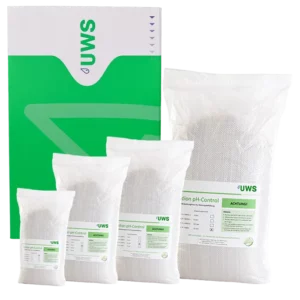
Mischbettharz Vadion pH Control
Our Vadion pH-Control is a mixed bed resin that not only desalinates the water to < 100 μS/cm (equivalent to 0-2 °fh) but also ensures that the pH value of the filling water is within the required range.To the product
Replenishment: a frequent cause of gradual damage
Many systems are filled correctly – and then refilled in an uncontrolled manner.
Every refill with untreated water results in:
- new salts
- additional hardness
- Oxygen
into the system.
The result:
- increased conductivity
- renewed scale formation
- Accelerated corrosion
Without a controlled make-up water concept, any clean initial filling will be lost in the long term.
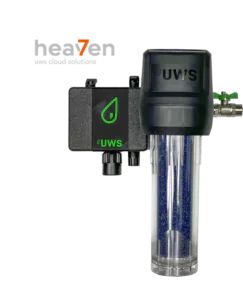
Heaty Complete Professional
Heaty Complete PROfessional is the world’s first smart IoT make-up system, including Cloud connection – fully automatic, leakage protection and digital water meter.To the product
Treatment is prevention, not repair
Heating water treatment is often only used when problems already exist.
However, its greatest benefit is preventive.
Treated heating water:
- Reduces salt and hardness
- Reduces conductivity
- Stabilizes the pH value
- Minimizes corrosion processes
This prevents corrosion and scale formation from occurring in the first place.
Holistic approach instead of individual measures
Corrosion and scale formation cannot be prevented with a single measure.
What is required is a combination of:
- suitable water treatment
- controlled replenishment
- regular analysis
- clear documentation
Only this complete package ensures permanently stable operating conditions.
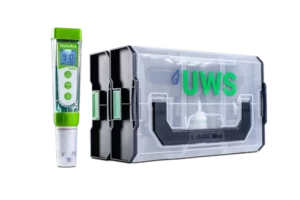
Messkoffer WaterBoy
The UWS WaterBoy measuring case contains everything the HVAC specialist needs to measure data in accordance with the VDI 2035, ÖNORM H 5195-1 and SWKI BT 102-01 standards in two L-BOXXES.To the product
Water quality as a protective shield for the system
As all UWS Technologie concepts show, water quality is the decisive protective factor inside the system
It determines whether:
- Materials are protected
- Energy is used efficiently
- Maintenance costs are reduced
– or whether damage is inevitable.
Conclusion: Corrosion and scale formation are preventable
Corrosion and scale formation do not occur by chance.
They are the result of unsuitable water quality and a lack of control.
Who:
- Treats heating water in a targeted manner
- Monitors conductivity and pH value
- Controlled replenishment
- Regularly analyzes and documents
creates the basis for:
- Long-lasting systems
- Stable efficiency
- lower operating costs
Preventing corrosion and scale formation is not a matter of luck – but of the right strategy.

 Contact us